47°N

Cascades · Coast Starlight · Surfliner · Southwest Chief

Pacific Coast → Southwest

Four trains, one coastline, and a left turn into the desert.

Begin
2,650 mi·11 days·5 chapters·Rail

This is the route where America tilts toward the Pacific. You start in Seattle, ride south through the volcanoes of Oregon, wake up to the California coast, stop in a town that looks like the Mediterranean, cruise past surfers and palm trees, and then — when you think the ocean is the whole story — the train turns east into the desert and everything changes. Four different Amtrak trains. Five states. Rainforest to red rock in eleven days.

01
Amtrak Cascades train winding through the Pacific Northwest, evergreen forests and mountains in the mist

Amtrak Cascades · Day 1

Cascades to Portland

Seattle falls away fast. The Amtrak Cascades slips south from King Street Station and within minutes you are skirting the industrial waterfront, the city already behind you. Puget Sound opens on the right — gray-blue water, container ships hanging motionless on the horizon, the Olympics a jagged white line beyond. Then Tacoma, its Dome District and copper-smelter past, then Olympia tucked in its inlet. The Cascades volcanoes keep pace to the east: Mount Rainier first, massive and solitary, then the blown-open silhouette of Mount St. Helens, still healing from 1980. The landscape is Douglas fir and river valleys, the Pacific Northwest at its most quietly spectacular. And then the Columbia River — wide as a small sea, the state line running down its center. The train crosses the bridge and you are in Oregon. Portland's Union Station appears twenty minutes later, its red neon GO BY TRAIN sign glowing even in daylight. Three and a half hours, start to finish. A prologue, not a chapter — but a prologue this beautiful sets the tone for everything that follows.
The Columbia River stretching wide beneath the railroad bridge, Oregon on the far shore

The Columbia River — state line, ancient trade route, and the widest crossing of the journey

Highlights

Puget Sound Farewell

South of Seattle, the train runs close enough to the water that you can see the wake of passing ferries. The Sound is quiet in the morning — silver light, distant islands, the last stretch of saltwater you'll see until the Oregon coast appears days later from the Coast Starlight.

Sit on the right (west) side for water views through the first hour.

Columbia River Crossing

The river is so wide it barely looks like a river. The train slows on the bridge and for a full minute you are suspended above the water, Washington behind you, Oregon ahead. Lewis and Clark paddled this same stretch two hundred years ago. The scale of it has not changed.

Portland Arrival

Portland's Union Station is a quiet beauty — Italianate clock tower, the neon GO BY TRAIN sign that has been lit since 1948. You step off the train into the Pearl District, and the city is immediately walkable. The first rain will find you within the hour. Welcome to Oregon.

Practical

Sit on the left (east) side for the best views of Mount Rainier and Mount St. Helens. The volcanoes appear intermittently through gaps in the forest — keep watching east between Tacoma and Centralia.

The Cascades runs multiple daily departures. The morning train (departing Seattle around 7:45 AM) offers the best light for photography and arrives Portland before lunch, giving you a full afternoon to explore.

Portland Union Station is downtown — no shuttle needed. Walk south to the Pearl District, east to Chinatown, or hop on the MAX light rail to anywhere in the city. Store luggage at the station if your hotel check-in is later.
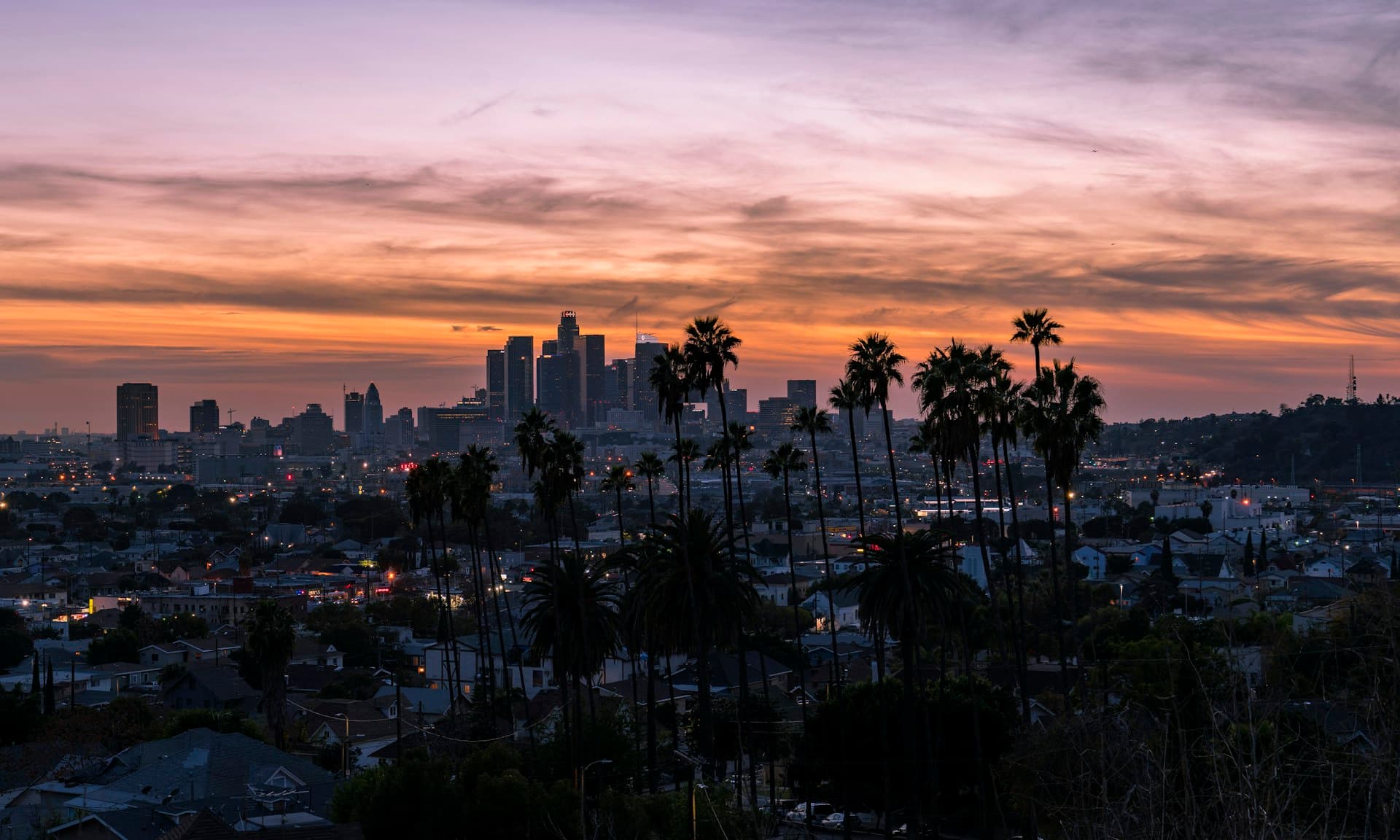
02
Portland skyline at dusk with bridges spanning the Willamette River, city lights beginning to glow through light rain

City of Bridges · Days 1–3

Portland

Portland is not a layover. It is the deep breath between movements. The city sits at the confluence of the Willamette and Columbia rivers, stitched together by twelve bridges — steel and iron arcs that give the skyline its grammar. It rains here the way music plays in a café: constantly, quietly, making everything else feel more vivid. You will find Powell's City of Books, the largest independent bookstore in the world, occupying an entire city block — a labyrinth of color-coded rooms where hours dissolve. You will find the Japanese Garden in the West Hills, a pocket of Kyoto suspended above the city, raked gravel and moss and a stillness that feels almost medicinal. You will find the food carts — entire city blocks colonized by tiny kitchens serving Thai, Ethiopian, Korean, Venezuelan, all of it extraordinary, all of it under ten dollars. The Willamette River walks at dusk. Coffee that people take as seriously as wine. Bookshops, record stores, bridges in the rain. Portland is not a transit stop with good restaurants. It is a destination that happens to have a train station.

Highlights

Powell's City of Books

A full city block of books, organized by color-coded rooms spanning three floors. You enter the Gold Room and emerge from the Blue Room two hours later, arms full, slightly disoriented. This is not a store — it is a place that rearranges your afternoon.

The Rare Book Room on the top floor is free to browse. The Pearl Room has the best staff picks shelf. Budget at least two hours.

The Food Cart Blocks

Portland's food carts are not a gimmick — they are the city's culinary soul. Entire blocks of tiny kitchens: handmade dumplings next to jerk chicken next to Egyptian koshari next to artisanal ice cream. The Hawthorne and Cartlandia pods are the best. Eat outside in the rain. Everyone does.

Willamette River Bridges at Dusk

Walk the Eastbank Esplanade at sunset. The bridges light up one by one — Hawthorne, Morrison, Burnside, Steel, Broadway — each a different silhouette against the fading sky. The river reflects all of it. This is the postcard Portland doesn't need to print.

Practical

One day in Portland: Powell's Books in the morning, lunch at a food cart pod, Japanese Garden in the afternoon, dinner in the Alberta Arts District. Two days: add Forest Park's Wildwood Trail (the largest urban forest in the US), the Lan Su Chinese Garden, and a coffee crawl through the Southeast.

Don't skip the food carts for sit-down restaurants. Portland's best meals often come from 100-square-foot kitchens. Highlights: Matt's BBQ (Texas-style brisket), Nong's Khao Man Gai (Thai chicken rice — one dish, perfected), and KOi Fusion (Korean-Mexican mashup).

Portland is a transit city. The MAX light rail, streetcar, and buses are all on a single fare system. Buy a day pass and leave your car (or lack thereof) behind. The city is also exceptionally bikeable — rent from Biketown stations everywhere.

It will rain. Not heavily — Portland rain is a persistent mist that locals don't bother with umbrellas for. Bring a waterproof jacket, not an umbrella. You will be judged for the umbrella.

03
The Coast Starlight hugging the California coastline, golden cliffs dropping to the Pacific on a sunlit afternoon

Portland → Santa Barbara · Days 3–4

Coast Starlight

revelation

This is the train. The one people talk about for years after. The Coast Starlight departs Portland in the early afternoon and immediately enters the Willamette Valley — a quilt of vineyards, hop fields, and farmland so green it looks digitally enhanced. By evening, you are climbing the Cascades, volcanic peaks appearing and vanishing in the clouds: Mount Jefferson, Three Sisters, Crater Lake not far beyond the tree line though you cannot see it. Dinner in the dining car as the last light catches the snowfields. Then darkness, sleep, the train rocking through northern California in the night. And then you wake up. And the Pacific Ocean is right there. Somewhere south of San Luis Obispo, the train swings to the coast and stays there. The tracks run on a narrow shelf between golden cliffs and the sea. Waves crash against rocks twenty feet from your window. Wildflower fields — orange poppies, purple lupine — run right to the cliff edge and stop. Surfers bob in the kelp beds below. For two hours, from San Luis Obispo to Santa Barbara, you are on what may be the most beautiful stretch of railroad in America. The light is California gold, the kind that makes shadows look painted. The observation car goes silent. Everyone is just watching. This is the train ride that makes people fall in love with train travel. Twenty-eight hours, Portland to Santa Barbara, and the last two hours justify the entire journey.

Snow-capped Cascade volcanoes rising above a sea of evergreen forest as seen from the train

The Cascades at dusk — volcanic peaks catching the last light above the tree line

San Luis Obispo's rolling green hills meeting the Pacific coastline under golden afternoon light

The Central Coast — where California stops performing and simply is

Highlights

Cascade Volcanoes at Dusk

As the train climbs through the Oregon Cascades in the evening, the volcanic peaks materialize one by one — Mount Jefferson's glaciated spire, the Three Sisters clustered like a family. The snow catches the dying light and turns pink, then violet. Crater Lake is just beyond the ridge, invisible but present.

The volcanoes are best seen from the left (east) side heading south. Watch between Eugene and Klamath Falls — roughly 5–8 PM depending on the season.

Sacramento Morning

The train stops in Sacramento around 6 AM. Step onto the platform for fresh air and California's Central Valley light — flat, warm, golden even at dawn. The station is a restored 1926 building. You have fifteen minutes. Stretch your legs. The coast is coming.

Salinas Valley — Steinbeck Country

The train passes through the Salinas Valley, the agricultural heartland that John Steinbeck wrote about in East of Eden and Of Mice and Men. Lettuce fields stretch to the horizon. The Gabilan Mountains rise to the east. It looks exactly like the books described it — wide, fertile, and a little lonesome.

The Coast Begins at SLO

South of San Luis Obispo, everything changes in an instant. The train rounds a curve and suddenly the Pacific Ocean fills your entire window — blue and infinite, waves breaking white against the rocks below. This is the moment. The observation car gasps collectively. For the next two hours, the ocean does not leave your side.

This is the LEFT side of the train — sit there or stand in the observation car. This stretch usually happens mid-afternoon. Have your camera ready. The light is extraordinary.

Santa Barbara Arrival

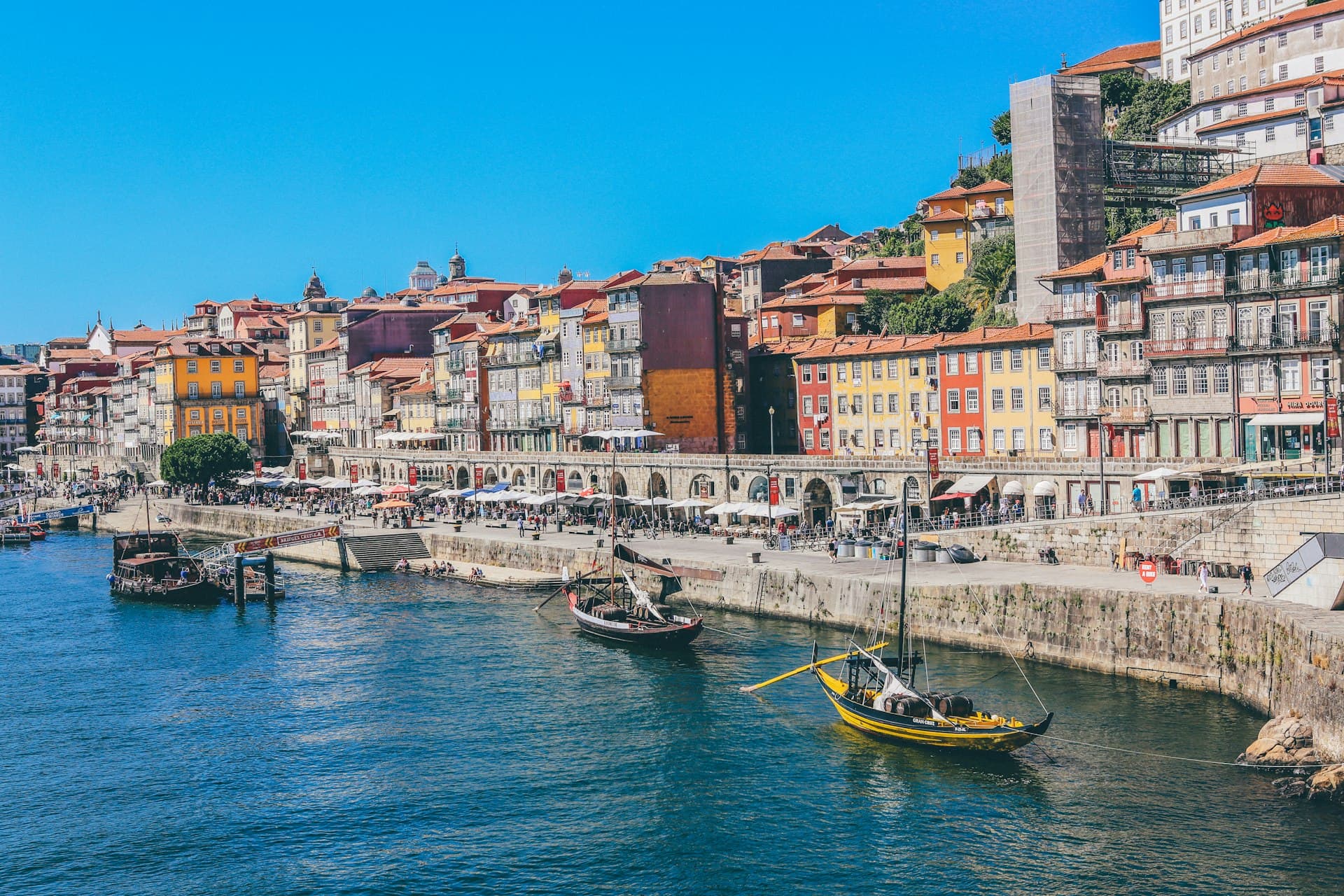
The train pulls into Santa Barbara as the afternoon light turns thick and golden. The station is a Spanish Colonial Revival beauty from 1902 — white stucco, red tile, palm trees. You step off the train and smell salt air and jasmine. The hardest part of the Coast Starlight is that it ends.

Practical

Sit on the LEFT (west) side of the train. This is non-negotiable. The entire coastal stretch from San Luis Obispo to Santa Barbara — the crown jewel of this route — is on the left. Book your sleeper or reserve your seat accordingly.

The SLO-to-Santa Barbara coastal stretch typically happens between 2–4 PM. This is the golden hour of the entire Pacific Coast to Southwest journey. Do not be napping, eating, or in your roomette. Be in the observation car with a window seat or standing room.

The Coast Starlight dining car serves three full meals. Dinner on the first night (Oregon Cascades scenery) and lunch on the second day (approaching the coast) are the two to prioritize. Make reservations with your car attendant right after boarding.

The observation car is shared by the entire train and fills up fast during scenic stretches. Claim your spot 30 minutes before the coast appears (around SLO). Bring a book for the less scenic stretches — the Central Valley at night is not visually interesting.

Photography tip: the coastal stretch faces west in the afternoon, meaning the light is behind the ocean — perfect conditions. Shoot through the glass (press your lens against the window to reduce reflections) or step to the lower-level doors between cars where windows can sometimes be opened.

04
Santa Barbara's red tile rooftops cascading toward the harbor, the Pacific Ocean shimmering beyond palm trees

California's Gold Coast · Days 4–6

Santa Barbara & the Surfliner

Santa Barbara is where California becomes the postcard it always promised to be. Red tile roofs cascade down hillsides to the harbor. Bougainvillea spills over white stucco walls. The ocean is visible from nearly everywhere — at the end of every cross street, from every terrace, in the salt-tinged light that touches everything. This is your rest stop, and it earns the pause. Walk the Mission, a 1786 sandstone prayer against the mountains. Drive or bike into the Santa Ynez Valley wine country — Pinot Noir vineyards rolling under oak-studded hills. Eat seafood at the harbor, watching pelicans dive. Let two days pass slowly. Then the Pacific Surfliner south. A two-and-a-half-hour coastal cruise that feels like a film reel of everything California is supposed to look like. The train hugs the shore past Ventura — beach town, oil derricks, Channel Islands floating on the horizon. Past Oxnard's strawberry fields. Past the Point Mugu sea cliffs where the highway disappears and only the train and the ocean remain. Through the Malibu-adjacent coastline where surfers paddle out in the morning glass. Dolphins surface alongside the train, which sounds made up but happens often enough that the conductor mentions it. The Pacific stays on your right the entire way — two hours of unbroken blue — until the train curves inland through the LA basin and delivers you to Union Station. You arrive smelling of salt air and sunscreen, and you are not done yet.

The Santa Barbara Mission's sandstone facade glowing warm in afternoon light, mountains behind

The Queen of the Missions — sandstone, 1786, and still standing against the Santa Ynez Mountains

Highlights

Santa Barbara at Rest

Walk State Street to the waterfront at golden hour. The light here is not like light anywhere else in California — softer, warmer, filtered through sea mist and bougainvillea. The harbor smells of grilled fish and salt. The Channel Islands are dark shapes on the horizon. This is the town that taught California how to be beautiful.

Stearns Wharf at sunset is the classic view, but the less-crowded Shoreline Park on the bluffs above Leadbetter Beach is better — same sunset, fewer people, and you can see the entire coastline curving away.

Santa Ynez Wine Country

A thirty-minute drive north from Santa Barbara takes you into a different California — rolling golden hills dotted with oaks, vineyards in every valley, tasting rooms in converted barns. This is Sideways country. The Pinot Noir is world-class. The pace is deliberately slow.

Surfliner Coastal Cruise

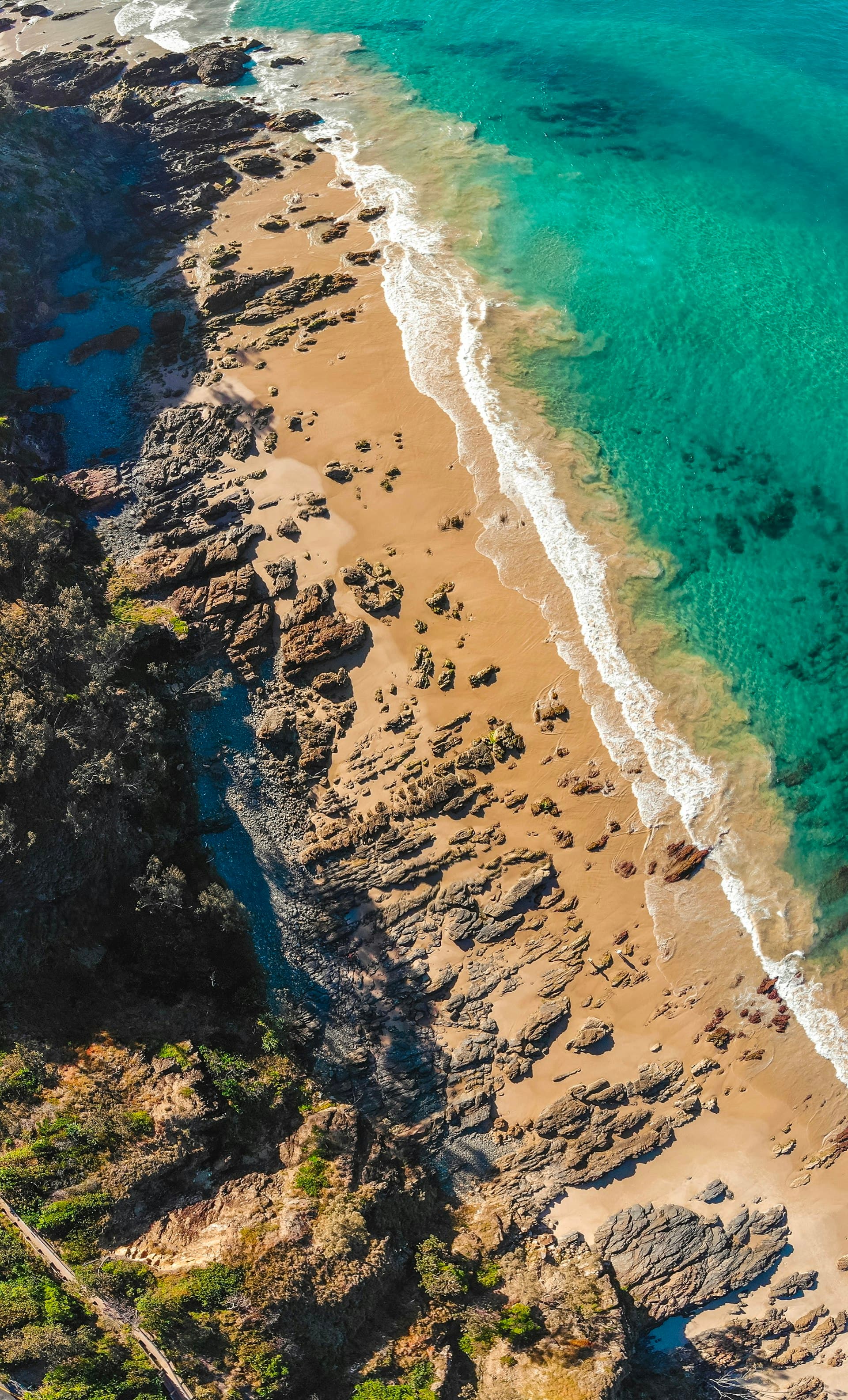
The stretch from Ventura through Point Mugu to Oxnard is the Surfliner's showpiece. The tracks run between sea cliffs and surf breaks with nothing between you and the Pacific but air. Dolphins are common. Surfers are everywhere. The Channel Islands float offshore like a mirage.

Sit on the RIGHT (ocean) side heading south from Santa Barbara. The coastal views are on the west side for this train.

LA Union Station Arrival

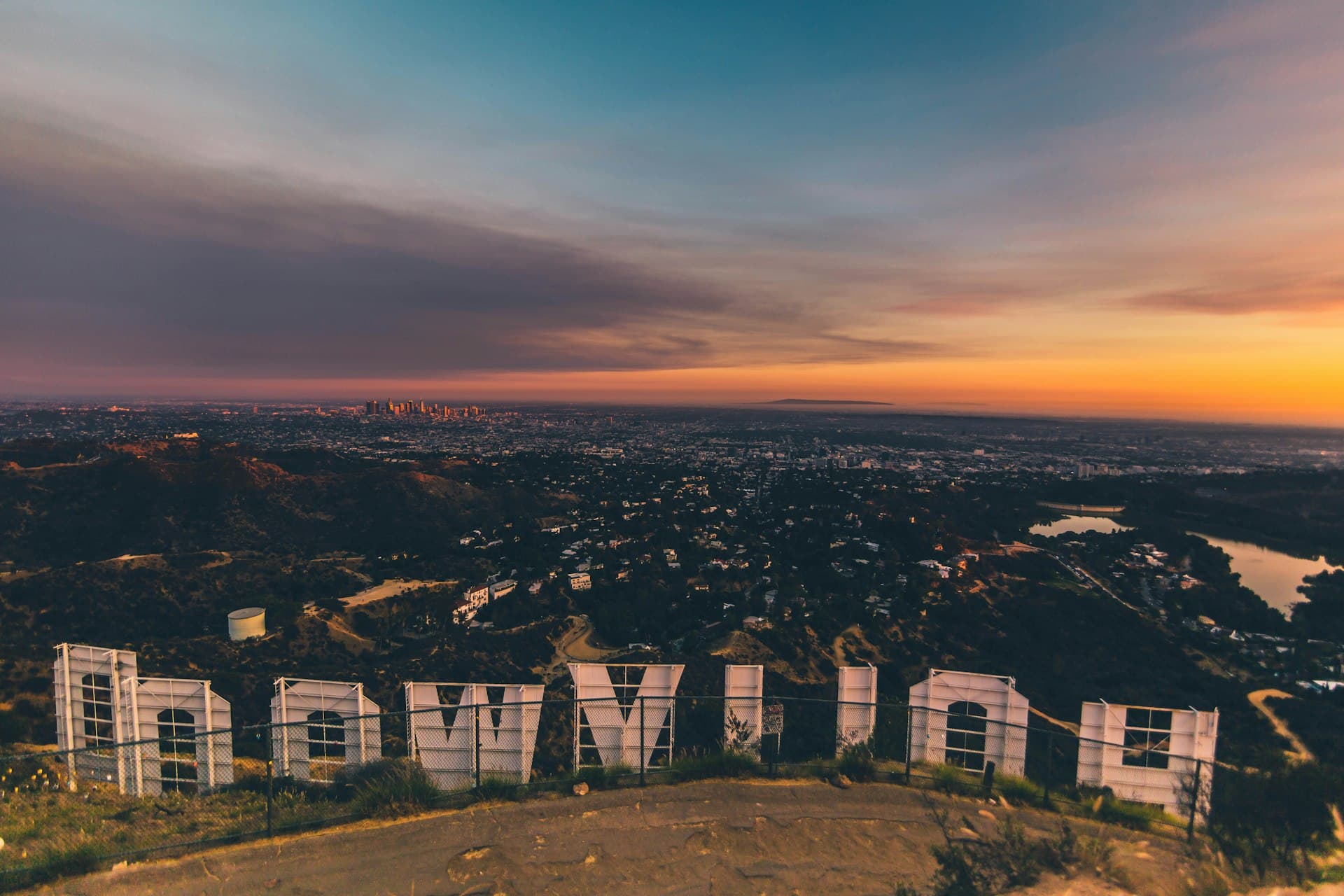
Los Angeles Union Station is an Art Deco and Spanish Colonial masterpiece — travertine floors, leather seats, a garden courtyard with a fountain. It was the last of the great American rail terminals, opened in 1939. You arrive here not at the end, but at a turning point. East is the desert.

Practical

Give Santa Barbara at least one full day, ideally two. Day 1: Mission, State Street, harbor sunset. Day 2: rent a car and drive to Santa Ynez Valley for wine tasting (Foxen Canyon Road is the best route), then back for dinner at the harbor.

The Pacific Surfliner runs multiple times daily between Santa Barbara and LA — no reservation needed for coach, just buy a ticket and board. This flexibility means you can leave Santa Barbara whenever you're ready. The midday train gives the best coastal light.

On the Surfliner, sit on the RIGHT side (facing direction of travel) for the ocean views heading south. Unlike the Coast Starlight where the ocean is on the left, the Surfliner's coastal stretch puts the Pacific on your right.

LA Union Station is the transit hub for all of Los Angeles. Metro Rail connects you to Hollywood, Downtown, Koreatown, and more. If you're continuing on the Southwest Chief the same evening, explore the station itself — the old Harvey House restaurant, the garden patios, the Art Deco details. It's worth an hour.

Santa Barbara's food scene punches above its weight. Don't miss: the Santa Barbara Public Market (local vendors, excellent fish tacos), La Super-Rica Taqueria (Julia Child's favorite taco stand), and any harbor-side spot serving local uni (sea urchin) — Santa Barbara uni is the best in the country.

05
The Southwest Chief crossing the New Mexico high desert at dawn, red mesa formations glowing in early light

Los Angeles → Santa Fe · Days 6–7

Southwest Chief into the Desert

Everything changes. Los Angeles Union Station — an Art Deco cathedral of travertine and leather, the last great American rail terminal — sends you east at dusk. The Southwest Chief pulls out past the rail yards, through the sprawl of San Bernardino, and into the Cajon Pass as the sun drops. By the time the sky goes dark, you are in the Mojave Desert. There is nothing to see and everything to feel: the vast emptiness pressing against the windows, the stars appearing in densities you forgot were possible, the train rocking through a landscape that has not changed in ten thousand years. You sleep. And you wake up in a different world. Arizona at dawn is not brown. It is rust and ochre and burnt sienna, striped with shadows that are almost purple. The red rock formations outside Flagstaff — gateway to the Grand Canyon, ninety minutes north — look like ruins of something enormous and ancient. The train threads through Painted Desert territory, and the palette keeps shifting: sandstone gold, iron red, sage green, sky so blue it looks enameled. Then New Mexico. The desert deepens and softens at the same time. Mesas float on the horizon. The light becomes something extraordinary — thin, high-altitude, turning everything it touches into sculpture. Adobe villages appear and disappear. The Rio Grande runs somewhere to the south. By late morning you arrive at Lamy, a station so small it barely exists — a wooden platform, a water tower, the silence of the high desert. A shuttle bus takes you twenty minutes up the hill to Santa Fe, the oldest capital city in America, built from earth and light. The adobe walls glow amber at sunset. The Plaza has been the center of town since 1610. The air smells of pinon smoke and sage. You started this journey in the rain-soaked Pacific Northwest. You are ending it in the high desert, surrounded by red rock and four hundred years of history. The transformation is complete. You are somewhere else entirely.

Los Angeles Union Station's Art Deco interior — travertine floors, wooden beam ceiling, golden evening light

Union Station, 1939 — the last great American rail terminal, and your gateway to the desert

Highlights

LA Union Station at Dusk

The Southwest Chief departs at 6 PM. Arrive early and walk the station — the old ticket concourse with its inlaid marble floor, the leather chairs in the waiting room, the garden patio with its Moorish fountain. This building was designed to make leaving feel ceremonial. At 6 PM, it delivers.

The station's Traxx Bar serves cocktails in the original 1930s ticket concourse. Have one before boarding — it's the best pre-departure drink in American rail travel.

Mojave Night Crossing

You won't see the Mojave — you'll feel it. The train crosses the desert in complete darkness, but the emptiness is palpable. If you step between cars, the air is warm and dry and smells of dust and creosote. The stars above the desert are staggering. The silence between the train's sounds is the silence of a continent.

Arizona Dawn

Set an alarm. Somewhere between Kingman and Flagstaff, the sun rises over red rock Arizona and the landscape ignites. Mesas, buttes, juniper forests, the Painted Desert's mineral palette — all of it catching first light. The world outside your window has completely changed from the green Pacific Northwest you left behind.

Arizona dawn typically happens between 5:30–6:30 AM depending on season. Set your alarm. You do not want to sleep through this.

Entering New Mexico

The state line is invisible but the landscape announces itself. New Mexico's desert is softer than Arizona's — the mesas are rounder, the colors warmer, the sky somehow even wider. Adobe ruins dot the hillsides. The Rio Grande valley opens ahead. You are entering the oldest continuously inhabited region in North America.

Lamy to Santa Fe

Lamy station is almost comically small — a wooden platform in the high desert, a water tower, a handful of passengers blinking in the thin sunlight. A shuttle bus meets every train and drives you twenty minutes through pinon-juniper hills to Santa Fe. The city appears around a curve: adobe walls, church towers, the Sangre de Cristo Mountains rising behind. You have arrived at the end of your journey, and it looks like nowhere else on earth.

The Lamy shuttle must be booked in advance — check the schedule at the Santa Fe Trails website. It syncs with the train arrival but seats are limited.

Practical

Consider whether to ride all the way to Lamy (for Santa Fe) or continue to Albuquerque. Lamy is closer to Santa Fe but requires a shuttle. Albuquerque has more transport options and its own appeal (Old Town, the Rio Grande). Most travelers prefer Lamy for the romance of the tiny desert station.

Sit on the RIGHT (south) side for the best Arizona red rock views at dawn. After sunrise, both sides offer stunning desert scenery through New Mexico.

Flagstaff is the gateway to the Grand Canyon (South Rim is 90 minutes north by car or shuttle). If you want to visit, break the journey here — stay a night, visit the canyon, then catch the next day's Southwest Chief continuing east. Amtrak allows stopovers on many tickets.

The Southwest Chief's dining car serves dinner shortly after departure from LA (around 7 PM) and breakfast the next morning. Dinner is the better meal — request a window table and watch the San Gabriel Mountains fade to silhouette as you eat.

The Lamy–Santa Fe shuttle runs by Lamy Shuttle service and must be reserved in advance. It meets most Amtrak arrivals but confirm your connection. The ride is twenty minutes through beautiful high-desert landscape. In Santa Fe, it drops you at the Lamy Shuttle office near the Plaza.

Timetable
DayTimeStation
Day 3 · Cascades to Seattle

Schedule based on Amtrak Empire Builder Train 7 (westbound). Actual times may vary. All times are local.