47°N

Empire Builder · 2,206 miles · 46 hours

Chicago → Seattle

The last great American train ride through the northern frontier.

Begin
2,206 mi·46 hours·5 chapters·Rail

There is a train that leaves Chicago every afternoon and arrives in Seattle two days later. In between, it crosses the Great Plains at sunset, follows the Missouri River through Montana's impossible scale, threads the Rocky Mountains at Glacier, and descends through the Cascades to Puget Sound. The Empire Builder is not a fast way to get anywhere. It is the last way to feel how large this country actually is.

01
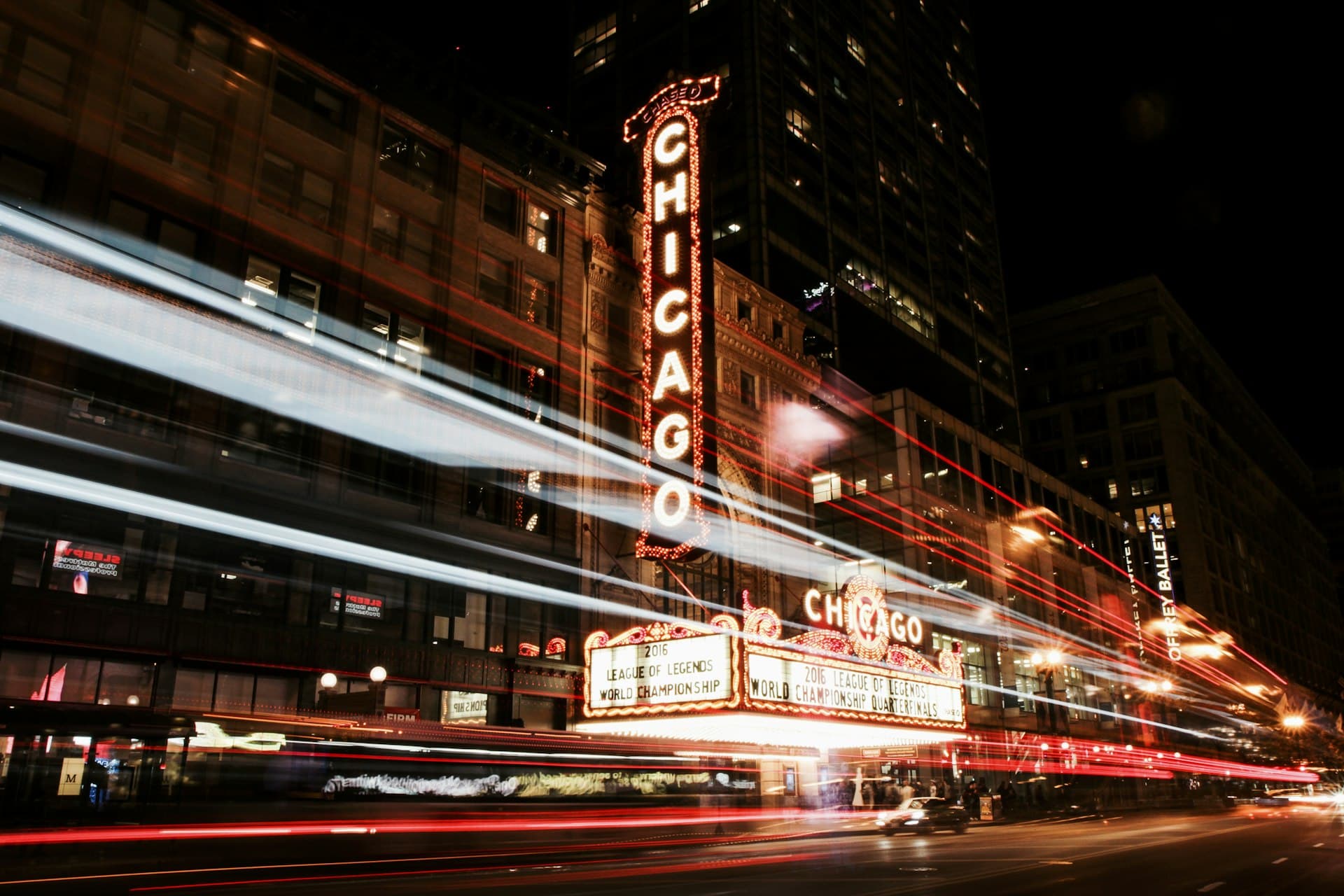
Union Station Great Hall bathed in afternoon light

Union Station · Mile 0

Departure from Chicago

The Great Hall of Union Station is the kind of room that makes leaving feel important. Marble columns, vaulted ceilings, afternoon light falling in long shafts across the waiting benches. You board on the lower level — no ceremony, just a conductor checking names. The train pulls out slow, threading through rail yards, and then the skyline appears in the observation car's rear window. The Willis Tower, the lake, the whole dense grid of the city — shrinking. By the time you settle into your seat, you are already somewhere else. The suburbs thin. The light starts to change. The journey has begun and the country is opening up ahead of you.
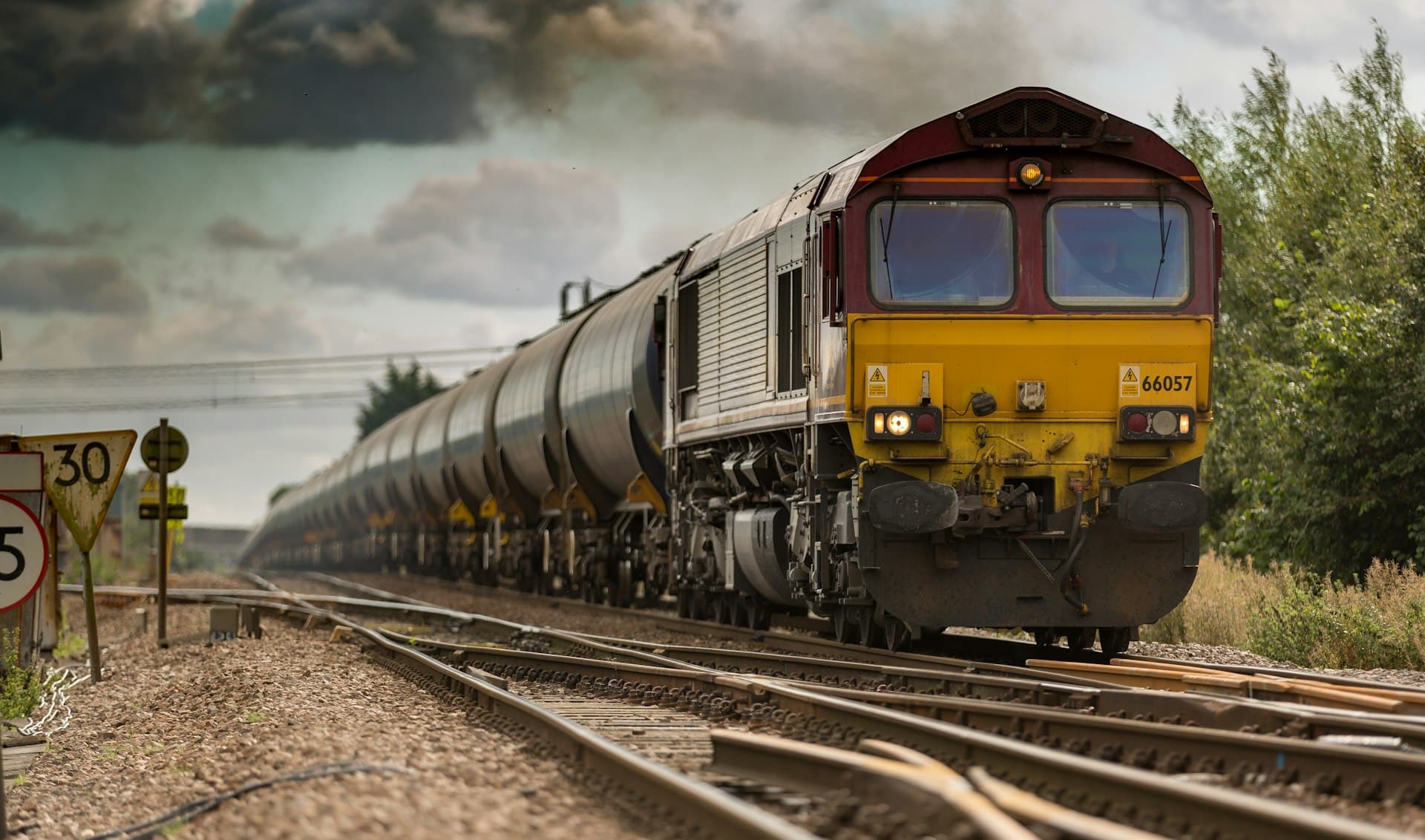
Train platform stretching into the distance beneath the station canopy

Highlights

The Great Hall

Union Station's Beaux-Arts waiting hall — barrel-vaulted ceilings, Corinthian columns, a room built to make departure feel momentous. Arrive early and sit in the wooden benches. Watch the light move.

Skyline Recession

The first ten minutes after departure: the entire Chicago skyline compresses into a single line on the horizon, then disappears. This is your last look at the city for two days.

Head to the sightseer lounge immediately after boarding. Face backward for the skyline view.

Practical

The Empire Builder departs Chicago Union Station at 3:05 PM (15:05) daily. Arrive by 2:30 PM — the sleeper lounge opens at 2:00 PM.

Board early and go straight to the sightseer lounge (upper level, full-length windows). It fills within minutes. The best departure views are from seats facing backward.

The dining car serves dinner starting around 5 PM. Make a reservation with your attendant as soon as you board — popular time slots go fast.

Pack light but bring layers. The observation car can be cold from the air conditioning, and station platforms can be hot in summer.

02
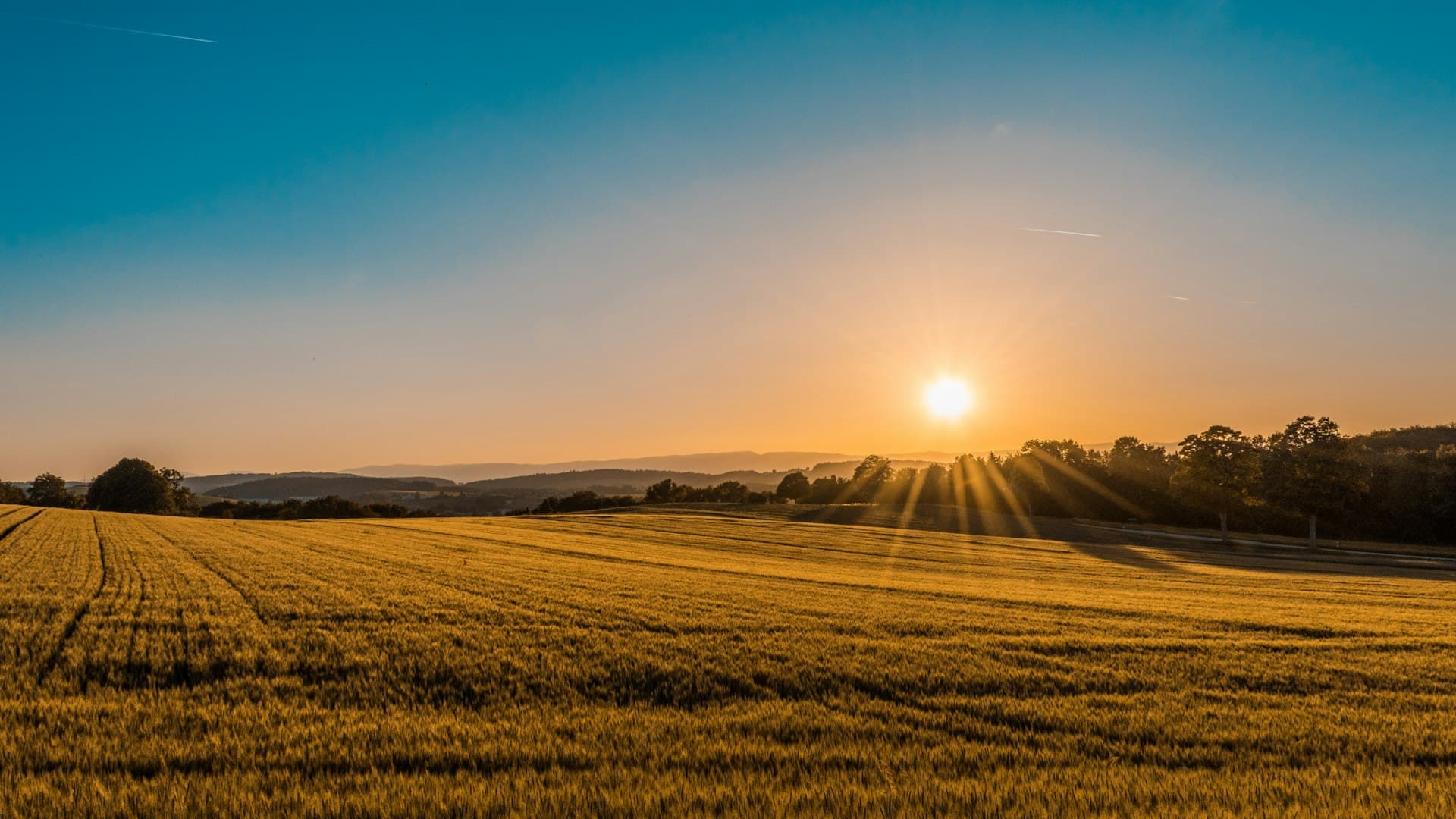
Endless golden prairie stretching to the horizon under a vast sky

The Great Open · Mile 800

North Dakota Plains

You wake up and the world has flattened. Somewhere in the night the train crossed Wisconsin and Minnesota — cities, forests, rivers — and now there is nothing but grass and sky. North Dakota from a train window is not empty. It is full of one thing: distance. The horizon is so far away it bends. Grain elevators stand alone like monuments. The light here is different — lower, wider, golden in a way that makes the whole prairie glow. If you have never seen the Great Plains, this stretch will recalibrate your sense of scale. The sun sets slowly here, painting the grass in amber and rust, and the sky holds color for what feels like an hour after it disappears.

A lone grain elevator rising from flat farmland, the only vertical for miles

Highlights

Prairie Sunrise

The first morning on the train. Light spreads flat across the plains — no mountains to block it, no trees to filter it. Just gold from horizon to horizon. Set an alarm for this.

Sunrise hits around 6:30 AM in summer. The observation car is nearly empty at this hour — one of the quietest, most beautiful moments of the entire trip.

Grain Elevator Towns

The train stops at towns that exist around a single grain elevator — Rugby, Minot, Stanley. The platform is gravel. Nobody gets on. The train waits, then moves again. You realize how vast the distance between places can be.

The Great Plains Sunset

The main visual event of the first full day. The sun drops into a flat horizon with nothing in the way. The sky cycles through amber, copper, rose, and violet over the course of an hour. Passengers gather in the observation car in silence.

Summer sunset happens around 8:30–9:30 PM. The observation car fills by 8 PM. Claim a seat early or stand at the curved glass at either end.

Practical

This stretch rewards patience. Bring a book, a journal, or nothing at all. The rhythm of empty land passing for hours has a meditative quality you will not find anywhere else.

The café car sells coffee, snacks, and microwave meals. The dining car serves full breakfast (eggs, pancakes) and lunch. Breakfast is first-come first-served; lunch and dinner require reservations.

Both sides of the train offer similar views across the plains — there is no wrong side. That said, the south (left) side catches slightly warmer sunset light.

Cell service is intermittent to nonexistent across much of North Dakota. Download entertainment beforehand. Or don't — the disconnection is part of the experience.

03
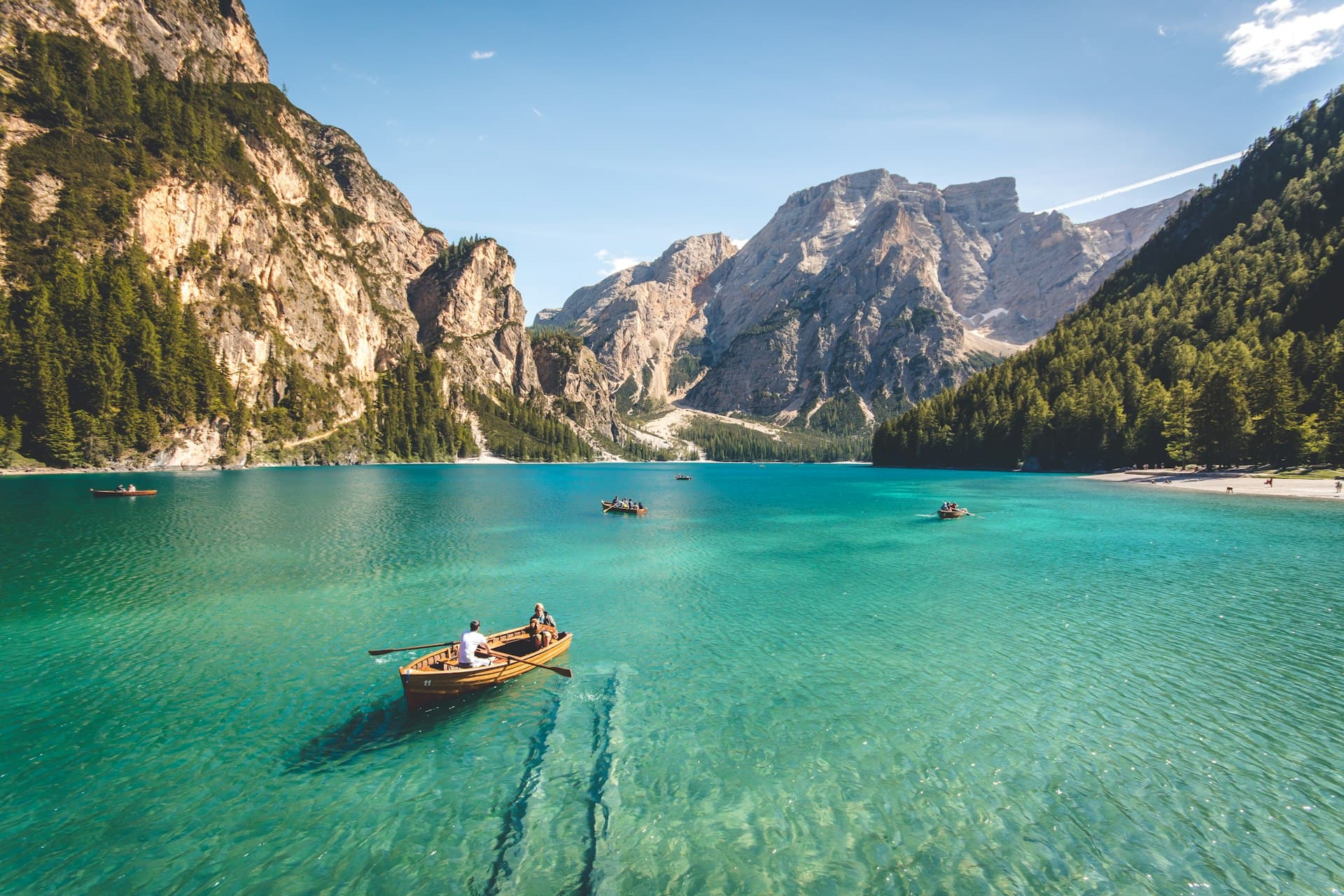
Missouri River carving through golden bluffs under an enormous Montana sky

River Canyons · Mile 1,100

Missouri River & Montana Big Sky

The train picks up the Missouri River east of Wolf Point and follows it west through Montana. This is where the landscape starts to gain a third dimension. The plains buckle into coulees and river breaks. Sandstone bluffs rise on both sides of the water, carved into shapes that look ancient and alien. The river itself is wide and brown, muscular, indifferent. At Havre the train pauses under the big Montana sky — a sky so large it makes you understand why they named the state for it. Then the terrain lifts. Ranch land gives way to foothills. The Rockies are ahead, still hidden, but you can feel the elevation changing. The air through the vestibule door is thinner, colder, sharper. Something is building.

Montana's big sky — a landscape where the sky occupies three-quarters of the frame

Highlights

Missouri River Breaks

The train follows the river through carved sandstone canyons that have barely changed in centuries. Lewis and Clark came through here in 1805 and described the same formations you see from your window. The river bends are so dramatic the train sometimes parallels the water on both sides of a loop.

Big Sky at Havre

Havre is a 20-minute station stop. Step off the train and stand on the platform. Look north — on a clear day you can see the curve of the earth. This is one of the darkest, widest skies in the lower 48. At night, the Milky Way is visible to the naked eye.

The Havre stop is your best chance to stretch your legs and breathe real Montana air. Walk to the end of the platform and look in every direction.

The Elevation Shift

West of Havre, the land starts rising. You can feel it in your ears before you see it. The grass gives way to scrub, then to scattered pine. The foothills of the Rockies are approaching. This is the transition from Great Plains to Rocky Mountains.

Practical

Sit on the south (left) side of the train for the best Missouri River canyon views. The river runs alongside the tracks for over 100 miles. The north side sees open ranch land — beautiful in its own way, but less dramatic.

This section passes on the morning of day two — roughly 8 AM to noon in summer. The light is excellent for photography: low-angle morning sun hitting the sandstone bluffs.

If breaking the journey, Havre has a few hotels near the station. The town has an underground tour of old Chinatown tunnels — genuinely interesting and walkable from the platform.

The dining car serves lunch during this stretch. Request a table on the left side for river views while you eat. The Amtrak burger is mediocre; the flat iron steak is surprisingly good.

04
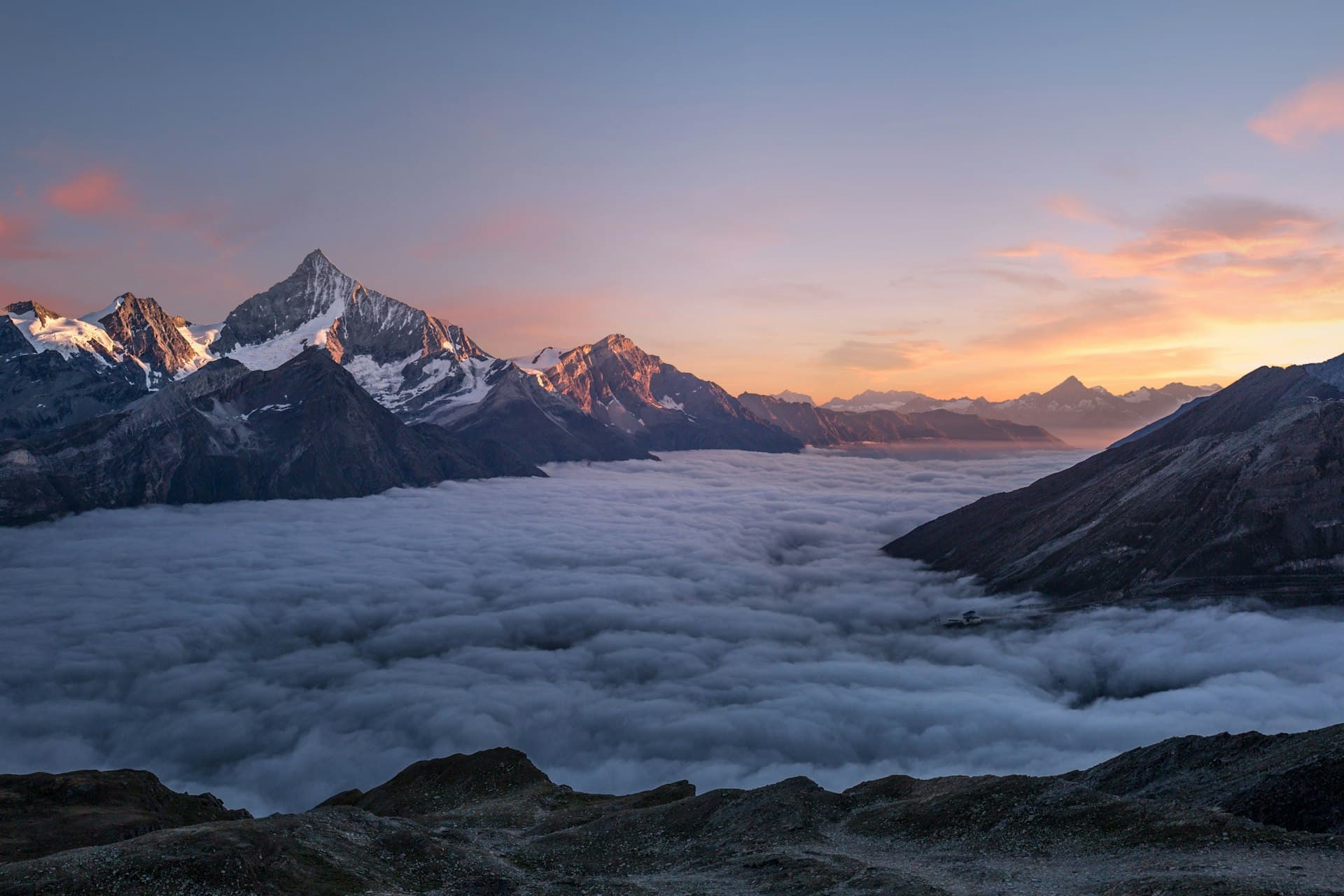
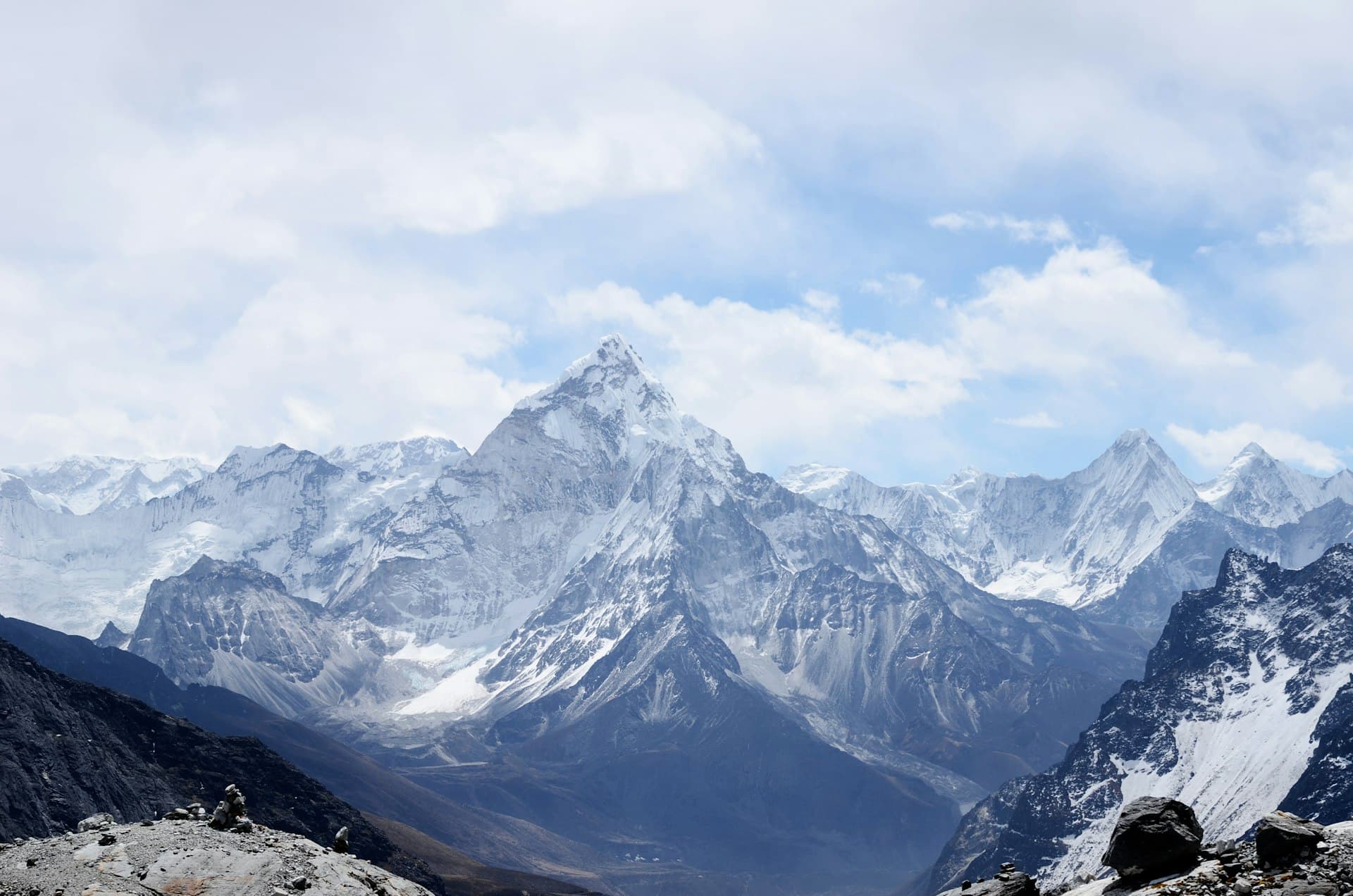
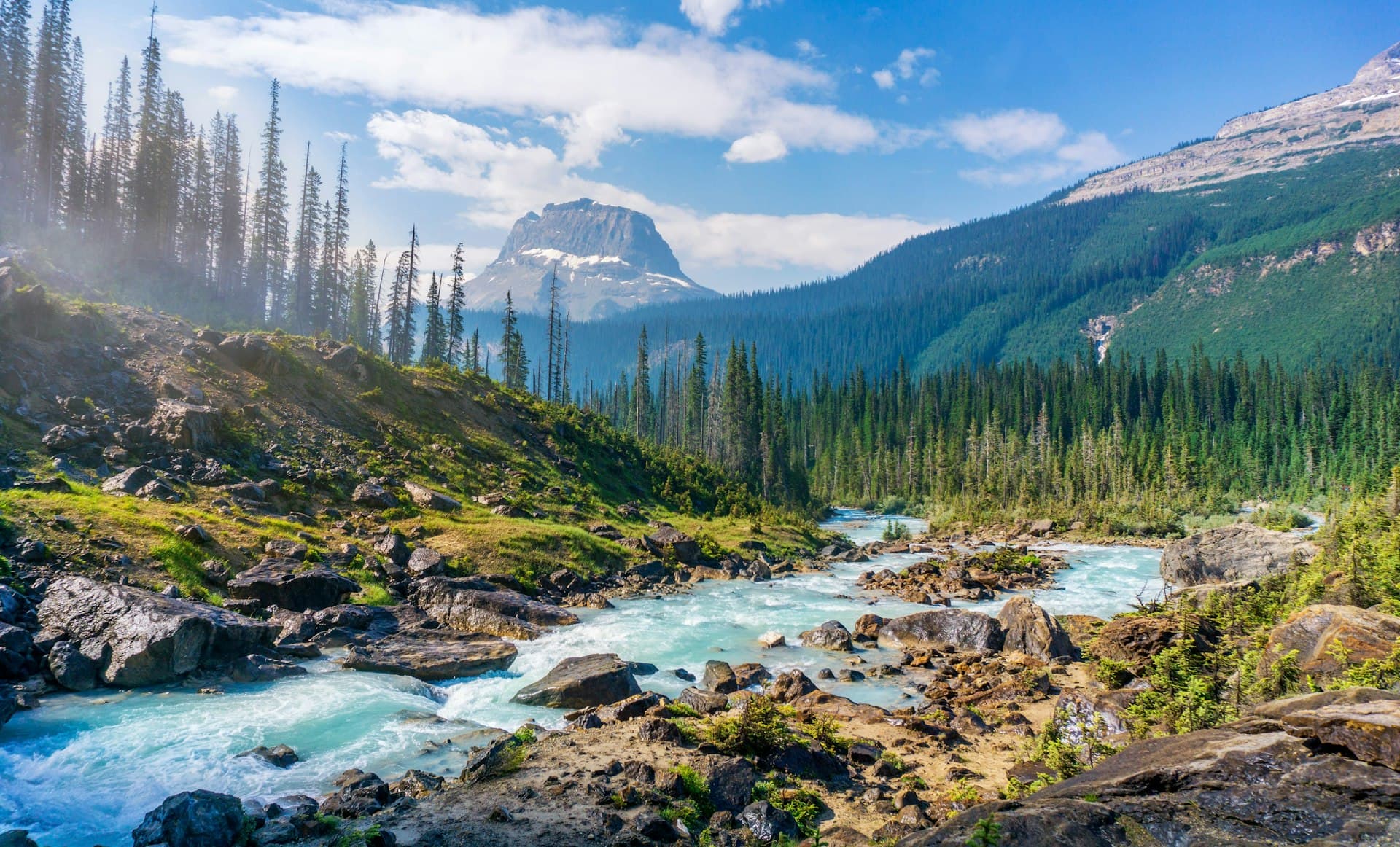
Snow-capped peaks towering above alpine forest in Glacier National Park

The Alpine Climax · Mile 1,400

Glacier Corridor

climax

This is why the Empire Builder exists. The train enters Glacier National Park territory and the world changes completely. Mountains rise on both sides — not gradually, not politely, but suddenly, massively, as if the earth decided to stop being flat and become vertical instead. The tracks follow the southern edge of the park through a corridor of alpine forest, glacial valleys, and peaks still holding snow in August. At East Glacier Park, the station is a Swiss-style lodge built from enormous timbers. From here west through Essex and over Marias Pass at 5,213 feet, the train moves through some of the most dramatic mountain scenery accessible by rail in North America. Every window is a photograph. The observation car is silent — not because people have nothing to say, but because the landscape has made language feel insufficient.

Dense alpine forest climbing the mountain slopes, mist threading between the trees
Railway curving through mountain terrain, framed by peaks and evergreen forest

Highlights

East Glacier Park Station

A timber lodge station that looks like it belongs in the Swiss Alps. Built by the Great Northern Railway in 1913 to attract tourists to the park. The Glacier Park Lodge across the street has lobby columns made from 500-year-old Douglas fir trunks, each over 3 feet in diameter. If the train stops long enough, walk over and look up.

This is the most popular disembarkation point for Glacier National Park. If you want to break the trip, reserve a room at Glacier Park Lodge months in advance.

Marias Pass — Continental Divide

The summit of the Empire Builder route at 5,213 feet. The Continental Divide: everything west of this point drains to the Pacific. The pass itself is subtle — a forest clearing, a bronze monument — but the approach is not. The train climbs steadily for an hour through increasingly vertical terrain.

Watch for the Continental Divide marker on the south (left) side. The drama is in the approach — the 30 minutes before the pass are the most consistently stunning on the entire route.

Essex and the Izaak Walton Inn

A tiny railroad town with no road access until the 1970s. The Izaak Walton Inn was built in 1939 as a hotel for railroad crews and is now a backcountry lodge. The train doesn't stop here, but it slows — watch for the log building with the red roof on the south side.

Flathead River Descent

West of the pass, the train descends along the Middle Fork of the Flathead River. The river is jade green, running fast through a pristine mountain valley. Whitefish Lake appears to the north as the mountains finally open up. You are through the Rockies.

Practical

Both sides of the train have extraordinary views through Glacier. South (left) for close-up peaks and the Continental Divide marker. North (right) for broader valley panoramas and distant ridgelines. Alternate between the two.

This section passes in early-to-mid afternoon on day two in summer (roughly 1–4 PM). The observation car will be packed by noon. Claim a seat after lunch and don't leave it.

If you break the trip here, East Glacier Park and Whitefish are both excellent bases. East Glacier gives immediate access to the park's east side. Whitefish is a charming mountain town with restaurants, a ski resort, and easy access to the park's west entrance.

Bring binoculars. Mountain goats, bears, and eagles are regularly spotted from the train through this section. The Amtrak volunteers who narrate the route will point out wildlife sightings.

The best photography window is the 30 minutes before and after Marias Pass. Shoot through the observation car's curved upper windows for the widest angle. A polarizing filter cuts the glass glare dramatically.

East Glacier Amtrak Station → Glacier Park Lodge: 2-min walk (0.1 mi, cross the street). Red Bus Tours depart from the Lodge front door. Whitefish Station → downtown Central Ave: 3-min walk. Whitefish Station → Grouse Mountain Lodge: 15-min walk or free shuttle.

Red Bus Tours 2026: Crown of the Continent full-day tour $136/person (9am–5pm, Jun 20–Sep 20). Eastern Alpine half-day $136/person (2.5–3.5h, Jun 20–Sep 25). Book: 855-733-4522. Glacier NP does NOT require vehicle reservations in 2026.

📋 Glacier Without a Car — Step-by-Step Guide

Station to Hotel

  • Station → Glacier Park Lodge: 2-min walk (0.1 mi, cross the street)
  • Lodge sends a vintage Red Jammer car to pick you up
  • Book: glaciernationalparklodges.com (855-733-4522)
  • 2026 season: ~Jun-Sep, $200-350/night (peak)

Without a Car — Red Bus Tour

  • No public transit covers core park attractions — car-free touring nearly impossible without Red Bus
  • Red Bus Tour departs from Lodge front door — zero transportation needed
  • Crown of the Continent full-day: $136/person, 9am-5pm, Jun 20-Sep 20
  • Eastern Alpine half-day: $136/person, 2.5-3.5h, Jun 20-Sep 25
  • Book at least 1 day ahead; Red Bus includes park entry

Suggested Schedule

  • Day 4 morning: 06:30 wake → 07:00 walk to Whitefish station (3 min) → 07:26 board eastbound → 07:57 West Glacier (sit LEFT!) → 08:37 Essex glacier corridor → ~09:52 arrive East Glacier → 09:54 walk 2 min to Lodge
  • Day 5 full day: 09:00 Red Bus departs → 12:00 Logan Pass (Continental Divide 5,216 ft) → afternoon Lake McDonald Lodge → 17:00 return → 18:00 dinner in East Glacier Village
  • Day 5 evening: 19:28 walk 2 min to station, board westbound → summer twilight Glacier views again → next day 11:29 AM arrive Seattle
05
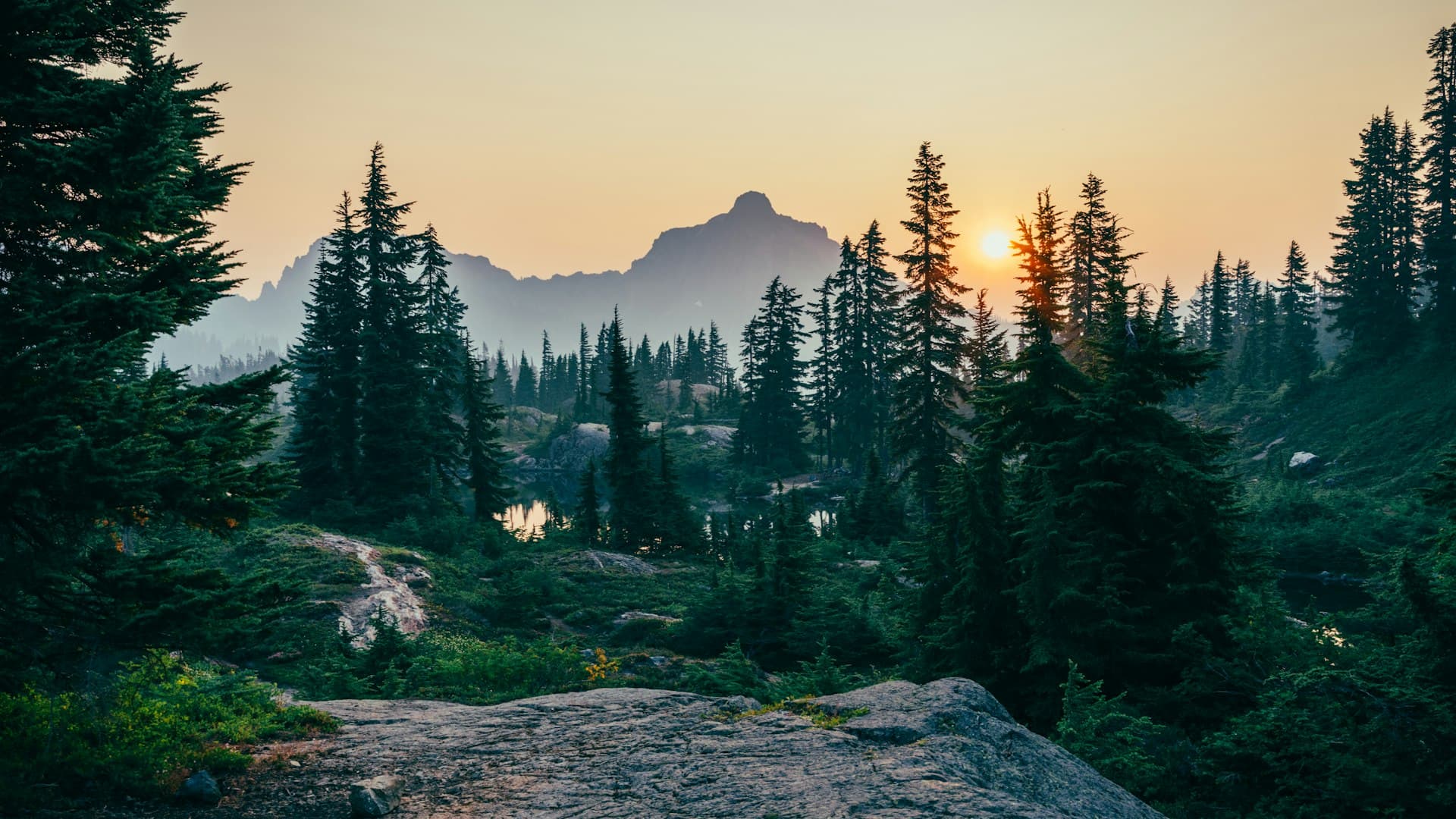
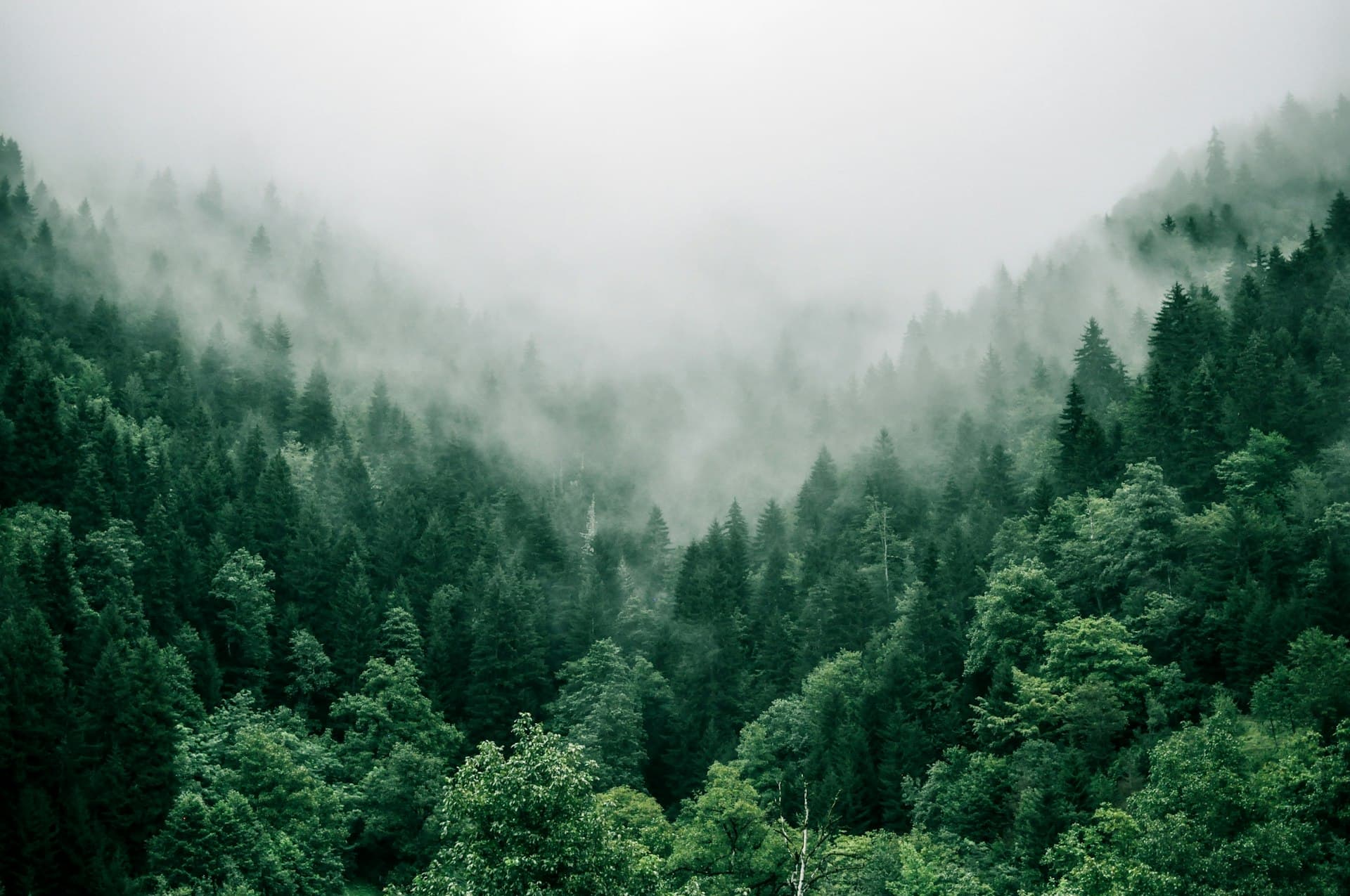
Misty evergreen forest covering the Cascade Range, fog filling the valleys

The Arrival · Mile 2,000

Cascades & Puget Sound into Seattle

The final morning. The train has crossed Idaho and eastern Washington overnight — dry, brown, volcanic plateau country. Then the Cascades appear. The train enters the 7.8-mile Cascade Tunnel — the longest railroad tunnel in the United States — and emerges into a different world. Pacific Northwest air: damp, cool, green-smelling. The descent is steep and fast. Stevens Pass gives way to the Skykomish River valley, waterfalls dropping from mossy cliffs, fog threading through ancient evergreens. The lowlands open up and you smell salt water. Puget Sound appears to the west, gray and enormous. The train traces the shoreline through Edmonds — the water is right there, close enough to hear. Then Seattle. The skyline resolves through rain or fog or, if you are lucky, against the white cone of Mount Rainier floating above everything. King Street Station. You step off the train into a city that feels like the end of the continent. Because it is.

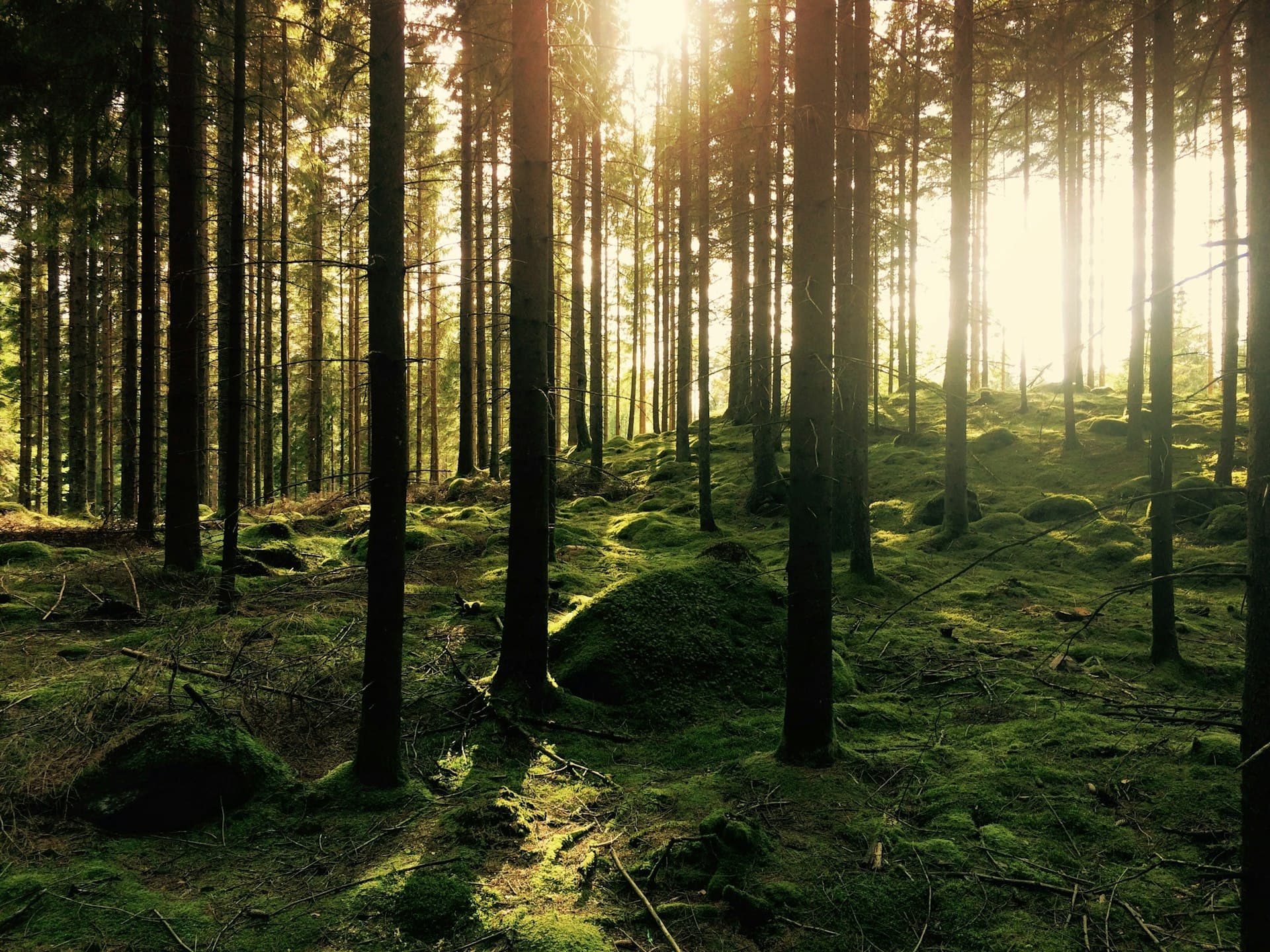
Dense Pacific Northwest old-growth forest, light filtering through mist and moss

Highlights

Cascade Tunnel

7.8 miles of complete darkness. The longest railroad tunnel in the US, bored through the Cascade Range. You enter in dry eastern Washington and emerge in the Pacific Northwest. The transition is total: brown to green in the space of 10 minutes. Passengers gasp when daylight reappears.

Skykomish River Valley

The descent from Stevens Pass follows the Skykomish River through a canyon of old-growth forest, waterfalls, and mossy rock. The train moves fast here — the gradient is steep. Watch for Deception Falls on the south side, visible for about 15 seconds.

This is the most lush scenery on the entire route. The south (left) side has the best waterfall and canyon views.

Puget Sound Shoreline

At Edmonds, the train runs along the water's edge for several miles. Ferries cross to the islands. Sailboats lean in the wind. The Olympic Mountains rise across the sound, snow-covered and enormous. This is the emotional payoff — water, mountains, and the knowledge that you have crossed the entire country.

Sit on the west (left) side from Everett to Seattle. The Puget Sound and Olympic Mountain views are on this side. On clear days, Mount Rainier appears behind you to the southeast.

King Street Station

The end of the line. A 1906 station with a clock tower modeled after the Campanile in Venice. Recently restored to its original beauty. You walk out onto Jackson Street, Pike Place Market is 15 minutes north on foot, and you have just crossed 2,206 miles of American landscape by train.

Practical

Set an alarm for the Cascade crossing. The train enters the tunnel around 7–7:30 AM and the mountain descent happens between 7:30 and 9 AM. This is the final great spectacle — do not sleep through it.

Sit on the left (west) side from Everett to Seattle for Puget Sound, the Olympic Mountains, and the best approach into the city. The right side sees suburban sprawl.

The train arrives at Seattle King Street Station around 10:15 AM. Pike Place Market is a 15-minute walk north. Pioneer Square is across the street. The Link Light Rail to the airport is a 3-minute walk from the station.

If the morning is clear, look behind you (southeast) from the observation car between Everett and Seattle. Mount Rainier appears as an impossibly large white cone floating above the foothills. It is visible for about 20 minutes.

Breakfast is served in the dining car during the Cascade descent. Request a left-side table — you'll eat with mountain forest and waterfalls rolling past your window.

Timetable
DayTimeStation
Day 2 · Plains & Mountains
Day 3 · Cascades to Seattle

Schedule based on Amtrak Empire Builder Train 7 (westbound). Actual times may vary. All times are local.

Resources & Info

⚠️ On-Time Performance

Recent: 51.5% (Jan 2026)

12-month average: 52.6% (12-month)

Avg delay when late: 131 min when late

Build buffer days into your schedule. The train runs only once daily — if you miss a connection, you wait 24 hours.